
ACA subsidy expiration is one of the most important healthcare affordability issues of 2026 because it turns a budget decision into a household crisis. For families buying coverage through the Affordable Care Act Marketplace, the end of enhanced premium tax credits has meant higher monthly costs, higher deductibles, harder plan choices, and more anxiety about whether health insurance is still affordable.
On paper, this may look like a technical change to tax credits. In real life, it can decide whether someone keeps coverage, downgrades to a higher-deductible plan, skips a doctor visit, delays medication, or waits until symptoms become impossible to ignore. That is why ACA subsidy expiration belongs on a site like CutsHurt.org. It shows how policy cuts do not stay in Washington. They land at kitchen tables, clinic desks, hospital billing departments, and emergency rooms.
The harm does not always happen overnight. Some families may keep paying premiums but choose plans with deductibles so high that coverage feels unusable. Others may fall behind on payments and lose coverage later in the year. Some may technically stay insured but avoid care because they cannot afford the out-of-pocket cost. That is still a public health problem.
When healthcare becomes more expensive, people do not stop getting sick. They stop getting help early. That delay is where the real damage begins.
Why ACA Subsidy Expiration Matters Now
ACA subsidy expiration matters now because the cost shock is already visible. Many Marketplace enrollees relied on enhanced tax credits that made coverage more affordable from 2021 through 2025. When those enhanced credits expired, premiums rose for many households, especially people who had benefited from expanded help or who earned too much to qualify for the strongest subsidies.
This is not only a premium story. Deductibles matter too. A family may find a lower-premium bronze plan and feel relieved at first, only to discover that the plan requires thousands of dollars out of pocket before coverage meaningfully helps. That can turn insurance into something people carry for catastrophe while still avoiding routine care.
For CutsHurt.org, this topic connects naturally with Healthcare Budget Cuts 2026. Medicaid cuts and ACA affordability problems may sit in different policy lanes, but families experience them as part of the same healthcare squeeze: less help, more paperwork, higher costs, and fewer reliable options.
Higher premiums make coverage feel optional

Health insurance should not feel like a luxury item, but higher premiums can make it feel optional for families already stretched by rent, groceries, transportation, childcare, and debt. When premiums rise, households often start making painful calculations. Can they afford the payment this month? Should they switch to a cheaper plan? Can they risk going uninsured for a while? What happens if no one gets sick?
Those questions are dangerous because health needs do not follow a household budget. A child can develop asthma symptoms. A worker can need urgent imaging. A parent can need medication adjusted. A cancer screening can reveal something early enough to treat. When coverage becomes too expensive, people may gamble with care because the immediate bill feels more urgent than the future risk.
That is how ACA subsidy expiration becomes more than an insurance issue. It becomes a prevention issue. People with affordable coverage are more likely to use primary care, fill prescriptions, manage chronic conditions, and seek help before problems escalate. When affordability weakens, prevention weakens too.
Deductibles can become the hidden cut
A deductible increase can function like a quiet cut because it shifts more cost onto the patient before coverage helps. A person may still have an insurance card, but if the deductible is too high, they may avoid using it. They may delay bloodwork, skip a follow-up appointment, postpone imaging, stretch medication, or ignore symptoms because they fear the bill.
This is where public debate often misses the point. Coverage numbers matter, but usable coverage matters more. A plan with a lower monthly premium and a much higher deductible may keep someone counted as insured while still leaving care financially out of reach. That gap can produce medical debt, delayed diagnoses, and worse health outcomes.
Families may delay care before they lose coverage
The damage can begin before anyone officially loses insurance. Families under financial pressure often start cutting back quietly. They may cancel a dental appointment, wait on a specialist referral, stop therapy, reduce physical therapy visits, or avoid urgent care unless symptoms feel severe. These decisions may not show up immediately in enrollment reports, but they show up later in clinics and hospitals.
Delayed care is not harmless. A small problem can become a complicated one. A manageable chronic condition can destabilize. A mental health issue can deepen. A preventable emergency can become an expensive crisis. Cuts hurt because they force people to choose delay before the system admits harm has occurred.
Marketplace instability does not stay in one program
ACA subsidy expiration may start in the Marketplace, but the consequences spread across the healthcare system. When people lose coverage or downgrade to plans they cannot afford to use, community clinics, hospitals, charity-care programs, and emergency departments absorb more pressure. Local systems that were already strained may have to care for more uninsured or underinsured patients.
This is why your article on Community Health Center Funding 2026 is an important internal link. Community health centers often serve people who are uninsured, underinsured, low-income, or facing access barriers. If Marketplace coverage becomes less affordable, these clinics may see more patients with fewer resources to meet the need.
Rural areas face special risk. In communities with limited provider options, losing affordable coverage can push people toward delayed care, long travel, emergency rooms, or no care at all. Your article on Rural Healthcare Funding Cuts explains how fragile rural health systems can become when funding pressure and patient access problems collide.
Hospitals and clinics absorb the fallout
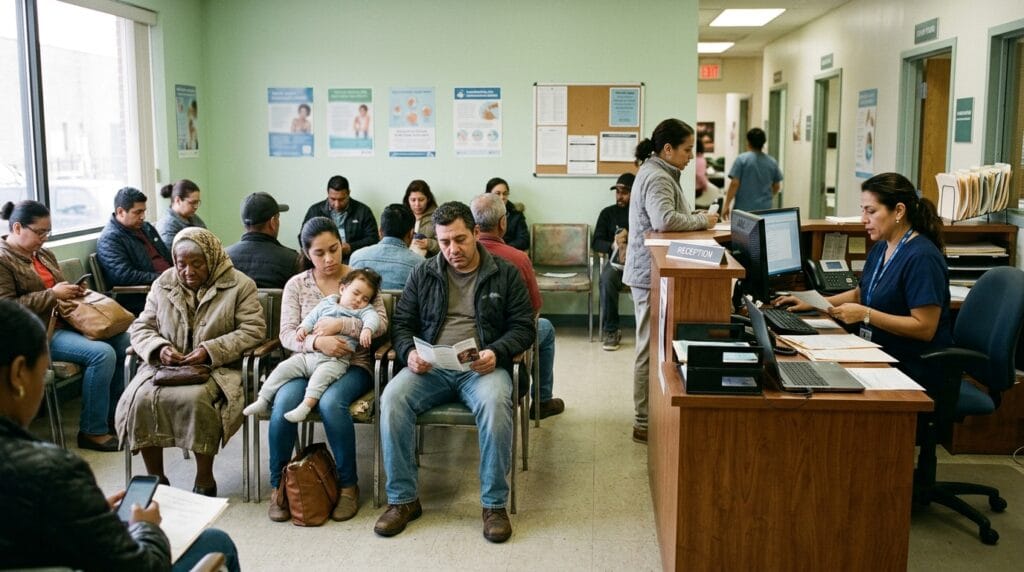
When patients cannot afford coverage or care, hospitals and clinics still face the need. Emergency rooms cannot simply ignore serious illness because a patient lost coverage. Clinics cannot easily replace lost revenue when more patients arrive uninsured or unable to pay. Providers may respond by reducing services, delaying hiring, cutting programs, or shifting costs elsewhere.
That fallout can affect everyone, including people who still have insurance. Longer waits, fewer appointments, more crowded emergency rooms, and reduced local services can hit an entire community. A coverage cut may target one group on paper, but the pressure spreads through the whole local healthcare ecosystem.
How Communities Can Respond Before Coverage Loss Becomes Crisis
Communities do not have to wait until enrollment losses become an emergency. Local leaders, healthcare providers, nonprofits, journalists, and residents can start tracking the warning signs now. The most important question is not only how many people lose coverage. It is how affordability changes behavior before, during, and after coverage loss.
Communities should watch for rising charity-care needs, increased emergency room visits, longer clinic wait times, more unpaid medical bills, pharmacy abandonment, skipped preventive screenings, and increased demand for enrollment help. Schools, food banks, housing agencies, and behavioral health providers may also notice the effects because healthcare affordability rarely stays isolated from other basic needs.
This connects with When Outbreaks Meet Budget Cuts. Public health systems work best when they prevent crises early. Healthcare coverage works the same way. If people can access care before conditions worsen, communities avoid deeper and more expensive problems later.
What policymakers, clinics, and families should watch
Policymakers should look beyond headline enrollment totals. They should ask whether people can actually use their plans. Are deductibles rising? Are more people switching to bronze plans? Are patients delaying care? Are clinics seeing more uninsured patients? Are hospitals reporting more uncompensated care? Are rural providers losing financial stability?
Clinics and hospitals can help by documenting patient stories without exposing private information. A spreadsheet can show coverage losses, but stories explain the human cost. A parent who skipped a specialist visit, a worker who delayed insulin, or a retiree who gave up a plan because the premium doubled can make the policy consequences visible.
Families should also seek help early. Anyone struggling with Marketplace costs should review plan options carefully, ask about local enrollment assistance, check whether income changes affect eligibility, and look for community health centers or sliding-scale clinics if care becomes hard to afford. None of these steps solve the policy problem, but they may reduce harm while broader decisions unfold.
Prevention is cheaper than delayed care
The public policy lesson is simple: prevention costs less than crisis. Affordable coverage helps people treat problems early. Higher premiums and deductibles push people toward delay. Delay creates worse outcomes and higher costs. Eventually, the system pays anyway, but patients pay first through pain, fear, debt, and lost time.
For a detailed breakdown of 2026 Marketplace enrollment, premiums, and deductibles, readers can review KFF’s analysis of 2026 ACA Marketplace enrollment, premiums, and deductibles.
ACA subsidy expiration should not be treated as a narrow insurance adjustment. It is a public health cut when it makes care less affordable, weakens prevention, increases medical debt, and pushes more pressure onto clinics and hospitals. The impact may begin with a premium notice, but it does not end there.
Cuts hurt when they turn health care into a gamble. They hurt when families delay treatment because the deductible is too high. They hurt when community clinics take on more need without enough support. They hurt when rural hospitals absorb another wave of financial strain. Most of all, they hurt when policymakers count savings while families count what they have to give up.
Healthcare coverage is not just a line in a budget. It is the difference between early treatment and late crisis, between stability and medical debt, between prevention and emergency response. In 2026, the ACA subsidy expiration shows once again that the real cost of cuts is measured in people’s lives.