
Head Start funding cuts are often discussed as education cuts, but that misses the bigger picture. Head Start and Early Head Start do more than help children learn letters, numbers, and classroom routines. These programs also connect families with health screenings, nutrition support, developmental services, parent engagement, and stable early care. When funding falls short, the damage can reach far beyond the classroom.
In 2026, early childhood funding remains a major public policy issue. Families continue to face high child care costs, rising living expenses, health access challenges, and unstable support systems. For low-income parents, a Head Start slot can mean more than preschool. It can mean a trusted place where a child receives meals, routine support, referrals, and early attention when something is wrong.
That is why Head Start funding cuts belong on CutsHurt.org. This site already explains how budget decisions affect healthcare access, housing stability, SNAP, public health labs, community health centers, and Medicaid-related services. Head Start fits the same pattern. A cut on paper can become a missed screening, an untreated delay, a closed classroom, a parent losing work hours, or a child starting school without the support they needed.
Why Head Start Funding Cuts Are a Public Health Issue
Public health begins long before someone enters a hospital. It starts with safe housing, food security, child development, preventive care, family stability, and early support. Head Start touches many of those areas at once. A strong early childhood program can help families notice developmental concerns, connect with health providers, access nutrition, and build routines that support long-term well-being.
First Five Years Fund describes Head Start as a comprehensive early learning program that includes health, nutrition, parent engagement, and development-focused services. The organization also notes that 2026 funding decisions remain important for Early Head Start and Head Start. Because these programs serve families in every congressional district, the impact of funding decisions does not stay in Washington. It reaches local communities.
Head Start supports more than classroom learning
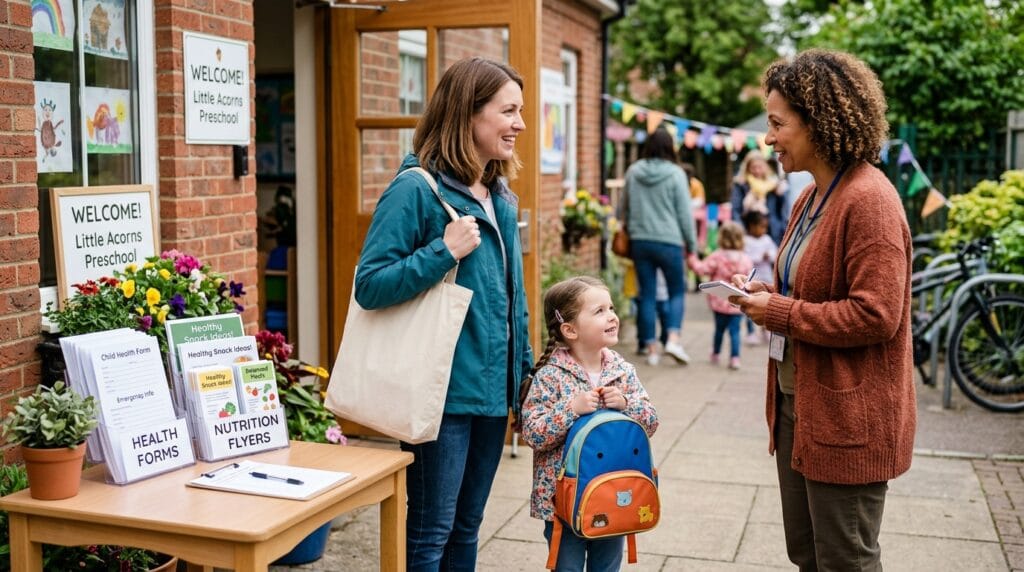
Many people think of Head Start as preschool. That is true, but incomplete. The program also helps families identify needs early. A child may need a hearing check, vision screening, dental referral, speech support, nutrition help, or developmental evaluation. When those needs receive attention early, children have a better chance of entering school ready to learn and participate.
If funding weakens, programs may have to reduce services, cut staff, shorten hours, delay referrals, or serve fewer children. That creates pressure on families and other community systems. Pediatric clinics, emergency rooms, food programs, schools, and social service agencies may later face needs that could have been addressed earlier.
Health screenings can catch problems early
Early screening matters because young children may not be able to explain what is wrong. A child with vision trouble may seem distracted. A child with hearing problems may seem delayed. A child with dental pain may struggle to eat, sleep, or focus. Head Start programs can help families catch these issues earlier and connect with care before problems grow.
Nutrition support protects learning and development
Children cannot learn well when they are hungry. Meals and snacks at early childhood programs support attention, growth, mood, and routine. This connects directly with the public health concern discussed in SNAP Cuts 2026: How Food Assistance Reductions Become a Public Health Crisis. Food support is not separate from health. It is one of the foundations of health.
Families lose stability when early childhood programs shrink
When a Head Start classroom closes or loses slots, the harm does not stop with the child. Parents may lose reliable care. That can affect work schedules, job training, school attendance, medical appointments, and household income. A parent who cannot find affordable care may miss shifts or leave work. That financial stress can then affect rent, food, transportation, and healthcare.
This is why early childhood cuts often overlap with other budget-cut harms. Housing assistance cuts can increase instability. SNAP cuts can worsen hunger. Medicaid cuts can reduce care access. Community health center cuts can limit nearby treatment. A family does not experience these cuts separately. They experience them all at the kitchen table.
Child care gaps can push families closer to crisis
A lost child care slot can quickly become a family crisis. Parents may have to choose between income and supervision, between a medical appointment and a work shift, or between paying rent and finding emergency care. For a family already living close to the edge, one lost support can trigger a chain reaction. This connects with Housing Assistance Cuts 2026: Why Rent Support Is Also Health Care, because family stability and child health often depend on the same fragile budget.
What Happens When Early Childhood Funding Falls Behind
Funding does not have to disappear completely to cause damage. Flat funding can also weaken a program when costs rise. Staff wages, rent, food, transportation, utilities, supplies, insurance, and compliance costs can all increase. If funding barely moves, local programs may lose real purchasing power. That can force hard choices even when a program technically still exists.
The Center on Budget and Policy Priorities reported that Congress provided $12.4 billion for Head Start in 2026, an increase of $85 million, or less than 1 percent, over 2025 funding. CBPP also noted that this followed years of flat or nearly flat funding, meaning support has declined in inflation-adjusted terms. The same source reported that only about 1 in 4 eligible children are currently enrolled. That means unmet need already exists before any new pressure appears.
Workforce shortages become worse when funding is tight
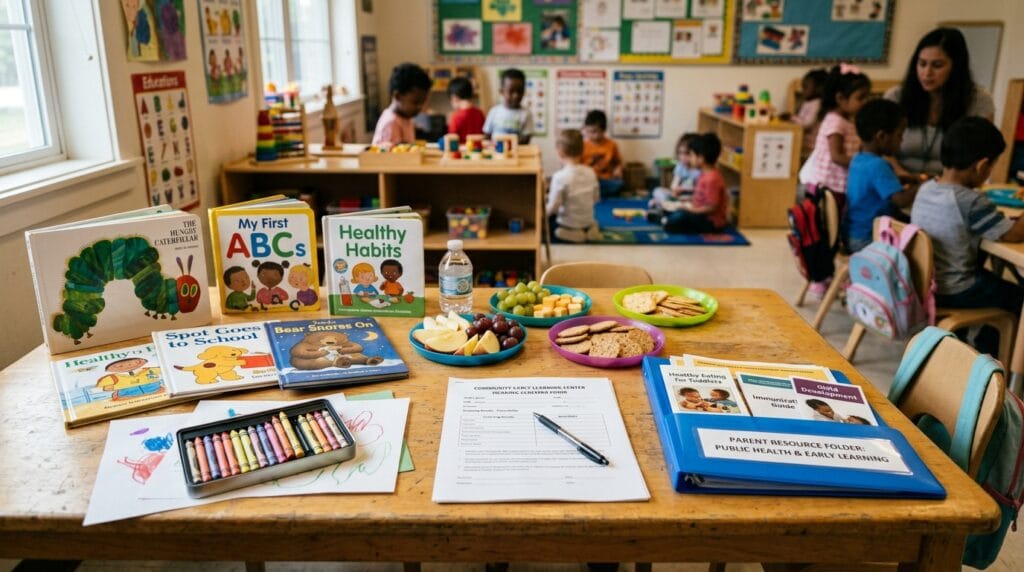
Early childhood programs depend on teachers, aides, family service workers, health coordinators, nutrition staff, bus drivers, and administrators. When budgets fall behind, programs may struggle to recruit and keep qualified staff. Low wages can push experienced workers out of the field. High turnover can disrupt children who need steady, trusting relationships.
The National Head Start Association has warned that proposed cuts can worsen workforce shortages and force programs to curtail the additional services that make Head Start effective for children from high-risk backgrounds. This is one of the clearest examples of how budget cuts hide their damage. A classroom may remain open, but fewer staff and fewer services can still reduce quality.
Program cuts can shift costs to schools and clinics
When early needs go unmet, other systems often pay later. Schools may need more intervention services. Clinics may see delayed health concerns. Emergency rooms may treat problems that could have received preventive care. Families may need more crisis support. Cutting early childhood services can look like savings in one budget line while creating higher costs elsewhere.
This same pattern appears in healthcare funding debates. When community health centers face unstable funding, patients may lose access to primary care. When public health labs lose capacity, outbreak warnings slow down. When Medicaid cuts trigger provider strain, communities lose care options. These related CutsHurt.org articles help show the pattern: Community Health Center Funding 2026, Public Health Lab Cuts in 2026, and Healthcare Budget Cuts 2026.
For an authoritative external resource, readers can review the First Five Years Fund page on 2026 Early Head Start and Head Start. It explains the current state of play, program reach, and why federal funding decisions matter for children and families.
In conclusion, Head Start funding cuts should not be treated as a narrow education issue. They affect child health, nutrition, screenings, family stability, workforce participation, and long-term community well-being. When early childhood programs lose support, the consequences can spread across schools, clinics, homes, and public health systems.
Budget debates often sound abstract. Head Start makes them concrete. A funding decision can determine whether a child receives a screening, whether a parent can work, whether a family finds support early, and whether a community invests in prevention instead of crisis. If cuts hurt, early childhood cuts hurt early — and the effects can last for years.