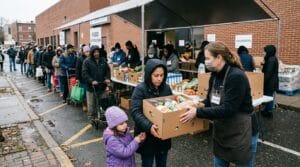
Food banks after SNAP cuts in 2026 are being asked to do something they were never built to do: replace a major federal nutrition program with donated food, volunteers, private fundraising, and emergency pantry lines. Food banks are essential. They help families survive hard weeks, disasters, job losses, benefit delays, and sudden crises. But they cannot become the permanent substitute for SNAP without leaving millions of people hungry.
This matters because SNAP is not a small side program. It helps families buy groceries directly, supports local food retailers, and gives households some choice over what they eat. Food banks work differently. They depend on donations, supply chains, volunteers, grants, warehouse capacity, local partners, and unpredictable inventory. When SNAP benefits are reduced or people lose access, the need does not disappear. It moves somewhere else, often to already stretched community organizations.
For CutsHurt.org readers, this article connects naturally with SNAP Cuts 2026, State Budget Squeeze in 2026, and Community Health Center Funding 2026. Food insecurity is not only a grocery problem. It is a public health problem, a school problem, a workforce problem, and a local budget problem.
Why Food Banks Cannot Fill the SNAP Gap
The biggest issue is scale. SNAP reaches households through an established federal benefit system. Families use benefits at grocery stores, farmers markets, and approved retailers. That creates flexibility and dignity because people can choose foods that fit their household, culture, medical needs, children’s preferences, and cooking ability.
Food banks are different. They are emergency systems. They help distribute donated, purchased, rescued, and government-provided food through local agencies and pantries. They do vital work, but they cannot instantly replace billions of dollars in grocery purchasing power. When policymakers cut SNAP and point to charity as the answer, they are shifting responsibility from a national program to local organizations that often already operate near capacity.
SNAP benefits buy groceries; food banks manage scarcity
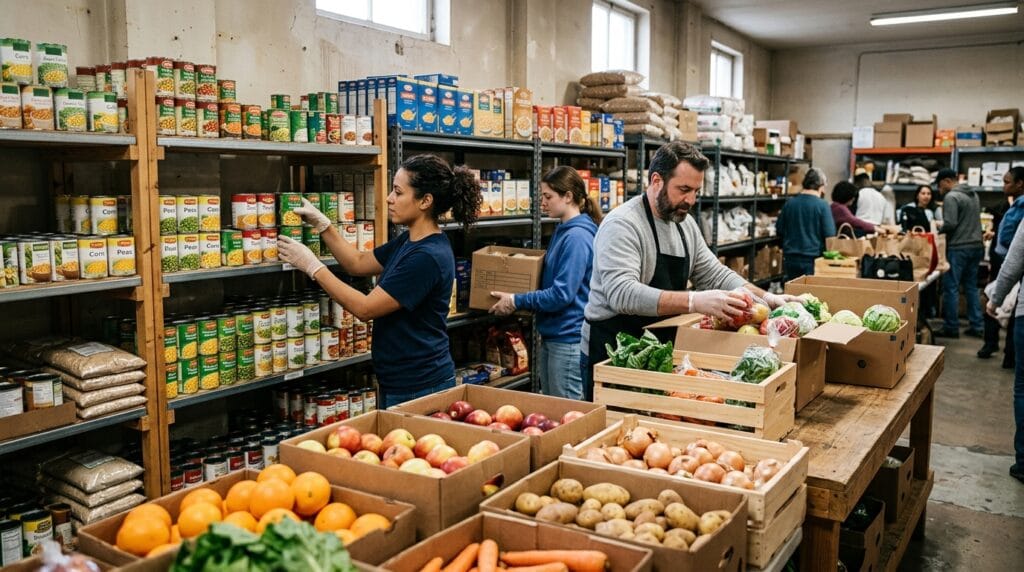
SNAP helps people shop. That distinction matters. A parent can use SNAP to buy formula, rice, vegetables, eggs, beans, bread, meat, fruit, or culturally familiar foods based on what the family needs that week. A person with diabetes can choose foods that fit medical guidance. A senior can buy items that are easy to prepare. A working family can shop around a schedule.
Food pantries rarely offer that same level of choice. Some do, but many cannot. Inventory changes. Lines can be long. Hours may be limited. Transportation can be a barrier. Some households may receive food they cannot use because of allergies, health needs, cooking limitations, or lack of storage. Charity can reduce hunger, but it often cannot restore the same control that SNAP provides.
Long pantry lines are not a policy success story
When more people line up at food banks, it should not be treated as proof that charity is solving the problem. Long lines often mean the safety net has already failed somewhere else. They can mean families lost benefits, wages did not cover groceries, rent consumed the food budget, or paperwork barriers pushed eligible people out of assistance.
Food banks deserve support, but they should not be used as political cover for cuts. A pantry line may prevent someone from going without dinner tonight. That is important. But it does not mean the household has stable nutrition for the month. It does not mean children have enough food every school day. It does not mean seniors can follow a medically appropriate diet. It means emergency help is trying to soften a preventable harm.
Charity depends on donations, not guaranteed need
Federal nutrition support is designed around eligibility and need. Food banks are often forced to operate around what is available. Donations rise and fall. Food costs change. Transportation costs increase. Volunteers burn out. Grants expire. Government food shipments may not match local demand. Local pantry hours may depend on staffing, weather, fuel, and warehouse supply.
That makes food charity fragile when demand spikes. If SNAP cuts push more families toward food banks at the same time food prices are high, the system can strain quickly. A community may respond generously, but generosity cannot always purchase enough food, refrigeration, delivery capacity, staff time, and distribution infrastructure to match a federal benefit cut.
SNAP cuts create pressure across the whole community
SNAP cuts do not affect only the people who lose benefits. Local grocery stores can also feel the loss when families have less to spend. Schools may see more hungry students. Clinics may see more diet-related health problems. Employers may see workers distracted by food stress. Food banks may face higher demand while local governments are asked to help fill the gap.
This is why food assistance should be understood as infrastructure. It supports health, learning, work, and local economies. When that infrastructure weakens, the burden spreads. A family that loses groceries may delay medical care, skip meals, rely on cheaper low-nutrition foods, fall behind on bills, or turn to multiple charities just to get through the month.
Food insecurity becomes a health cost
Food insecurity can worsen health problems. People may stretch food by skipping meals, choosing cheaper processed foods, or avoiding special diets recommended for conditions like diabetes, high blood pressure, pregnancy, or kidney disease. Children may struggle to concentrate. Seniors may choose between food and medication. Parents may eat less so children can eat more.
That connects food cuts directly to public health. If SNAP reductions increase hunger, the consequences may show up later in clinics, emergency rooms, schools, and county services. Cuts may look like savings in one budget line while creating costs somewhere else. This connects with your existing article on Mental Health Funding Cuts 2026, because hunger, stress, anxiety, and family instability often move together.
What Happens When Food Banks Become the Backup Plan
When food banks become the backup plan for federal cuts, communities are forced into crisis management. Instead of preventing hunger through stable benefits, they respond after families are already in trouble. That means more emergency distributions, more fundraising, more volunteer demand, more pressure on churches and nonprofits, and more families waiting in lines for help they may still feel ashamed to ask for.
There is also a dignity issue. SNAP lets families shop in normal grocery settings. Food pantry use can be helpful and compassionate, but it can also feel public, stressful, and limited. People may need to prove need, wait in lines, arrange transportation, miss work hours, or accept whatever food is available. A strong food system should not force families into emergency mode just because federal support was cut.
What communities should demand instead of charity-only solutions
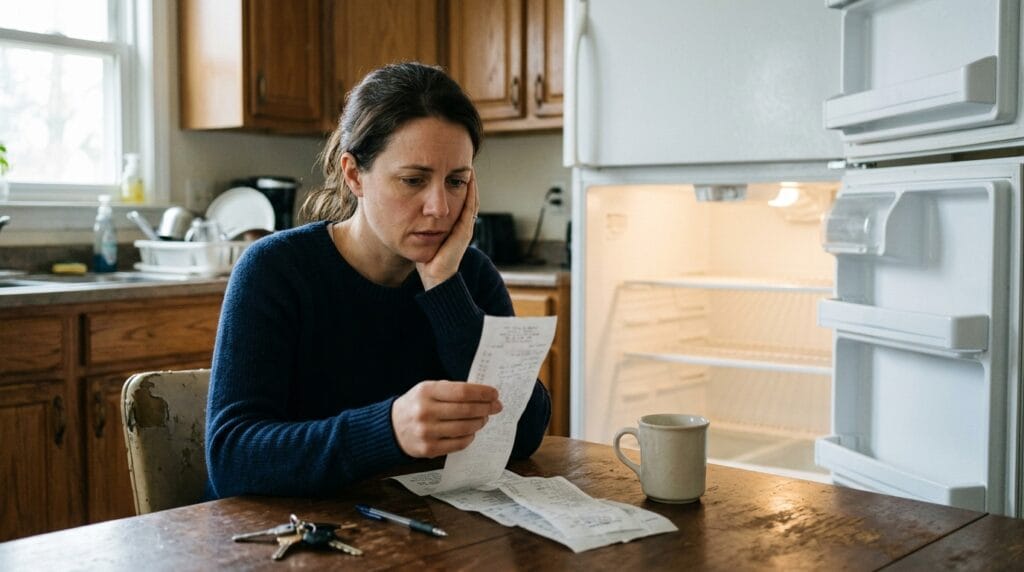
Communities should support food banks and defend SNAP at the same time. These are not competing goals. Food banks are essential for emergencies and gaps. SNAP is essential for monthly food stability. One should not be used to excuse cuts to the other.
Local leaders should ask clear questions. How many people in the county lost SNAP benefits? How much grocery purchasing power disappeared from local stores? How many more households are visiting food pantries? Are food banks receiving enough funding, food supply, transportation support, and staffing support? Are seniors, children, disabled people, immigrants, rural families, and working parents being pushed into deeper food insecurity?
Journalists should also avoid soft language. A “shift to community support” may sound positive, but if it means families lost federal food assistance and now depend on charity, that is not a smooth transition. It is a cut with consequences.
Policy should protect nutrition before crisis lines grow
A serious hunger policy should protect benefits, reduce paperwork barriers, support state administration, fund food banks without making them replace SNAP, and measure real outcomes. Are fewer people hungry? Are children eating consistently? Are seniors able to buy appropriate food? Are grocery stores in low-income areas staying stable? Are health systems seeing food-related stress rise?
For a high-authority external source, readers can review JAMA Health Forum’s analysis of changes to SNAP under H.R. 1 and the implications for food insecurity. The article explains why SNAP reductions are not only a budget issue but also a health and nutrition issue.
Food banks after SNAP cuts in 2026 are carrying an unfair load. They will keep showing up because that is what community organizations do. Volunteers will pack boxes. Donors will give. Pantries will stretch inventory. Staff will try to meet rising need with limited resources. But none of that changes the truth: charity cannot replace federal nutrition support at scale.
The bottom line is simple. Food banks are a vital emergency response, not a substitute for SNAP. When SNAP is cut, hunger increases, local systems strain, and families lose choice, stability, and dignity. If leaders want fewer people in pantry lines, they should protect the program that helps families buy food before they reach crisis.