Housing assistance cuts are often discussed as budget decisions, but for families living close to eviction, they are health decisions too. Rent support can determine whether a child sleeps in the same bed each night, whether a senior can keep medication refrigerated, whether a person with a disability can stay near care, and whether a working parent can avoid the spiral of homelessness.
When housing support is reduced, delayed, restricted, or made harder to access, the consequences do not stay inside housing agencies. They move into hospitals, schools, shelters, food banks, mental health clinics, and emergency rooms. A rent voucher may look like a housing program on paper, but in real life it can be the thing that keeps a household stable enough to stay healthy.
This is why housing assistance cuts deserve serious public health attention in 2026. Rising rents, stagnant wages, limited affordable housing, and tighter benefit rules create a dangerous mix. If a family loses help with rent, they may not simply “find another apartment.” They may move into overcrowded housing, sleep in a car, enter a shelter, skip medical care, or relocate far from school, work, transportation, and community support.
For CutsHurt.org, housing is one of the clearest examples of how budget cuts become body-level harm. Stable housing is not a luxury. It is the foundation that makes health, safety, employment, education, and recovery possible.
Why Housing Assistance Cuts Are A Public Health Issue
The first mistake in the housing debate is treating rent support as separate from health care. A stable home helps people manage chronic illness, store medication, keep appointments, sleep safely, cook meals, recover from surgery, avoid extreme weather, and maintain mental stability. Without housing, even basic health advice becomes harder to follow.
Public health experts have long recognized housing as a social driver of health. Homelessness and housing instability are linked with higher risks of infectious disease, chronic disease, mental health distress, substance use challenges, injury, and premature death. When policymakers reduce housing assistance, they are not only cutting a payment. They are weakening one of the most basic conditions for health.
Rent Support Helps Prevent Health Crises Before They Start
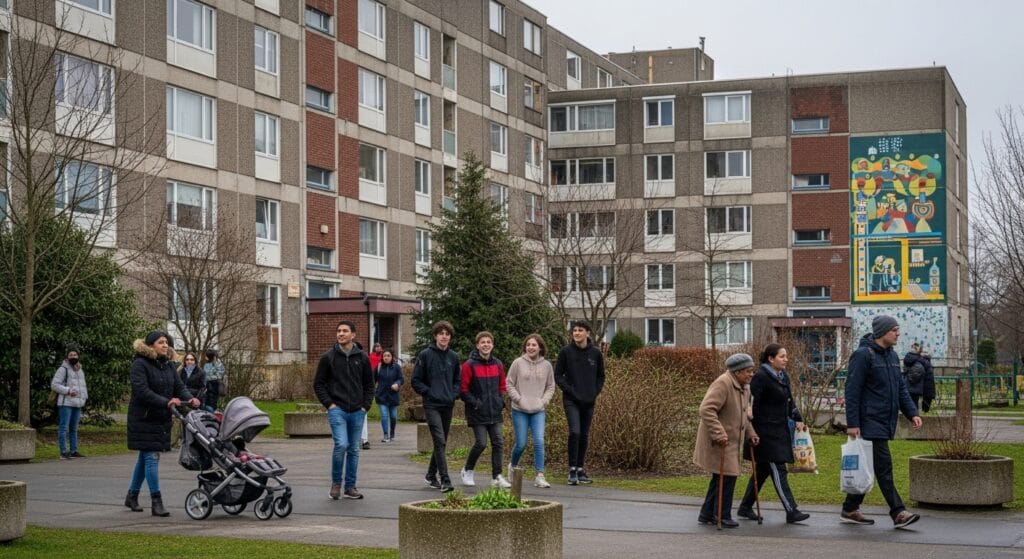
Prevention is usually cheaper, safer, and more humane than emergency response. A family that keeps its apartment is less likely to need a shelter bed, emergency room visit, school transfer, or crisis intervention. A person with diabetes who stays housed is more likely to store insulin properly, eat regularly, and attend follow-up care. A senior with stable rent support is less likely to be forced into unsafe housing or institutional care.
This is the same prevention logic behind strong public health systems. Your article on why public health funding still matters in 2026 explains how prevention systems are often ignored until they fail. Housing assistance works the same way. When it is effective, the worst outcomes are prevented quietly. When it is cut, the damage becomes visible and expensive.
Eviction Can Trigger A Chain Reaction
An eviction is rarely just a move. It can mean lost belongings, school disruption, job loss, damaged credit, court debt, shelter entry, family separation, and long-term difficulty finding another rental. For people already dealing with illness, disability, low wages, caregiving responsibilities, or trauma, eviction can push a manageable problem into a full crisis.
That chain reaction matters because housing instability drains time, energy, and money. It becomes harder to keep appointments, answer calls from caseworkers, refill prescriptions, prepare meals, or get children to school. The longer instability lasts, the harder recovery becomes.
Homelessness Increases Health Risks Quickly
People experiencing homelessness face higher exposure to weather, violence, sleep deprivation, infectious disease, stress, and barriers to care. Shelter systems can be lifesaving, but they are not a substitute for stable housing. Crowded congregate settings can also increase exposure to respiratory illness and make privacy, rest, and recovery difficult.
The CDC notes that people experiencing homelessness are at increased risk for infectious and non-infectious diseases, including hepatitis C, tuberculosis, HIV, COVID-19, mental illness, diabetes, and heart and lung disease. Readers who want a trusted source can review the CDC’s overview of homelessness and health.
Shelter Alone Cannot Replace Stable Housing
Emergency shelter matters, but it should not be treated as a replacement for long-term housing support. A shelter bed may help someone survive the night. Stable housing helps someone rebuild a life. Those are different goals, and policy should not confuse them.
If funding shifts away from permanent housing and toward short-term responses only, communities may end up managing homelessness instead of reducing it. That approach keeps people cycling between shelters, hospitals, streets, temporary placements, and crisis services. It may look cheaper in one budget column, but it creates deeper costs everywhere else.
How Rental Assistance Cuts Hurt Families And Communities
Housing assistance cuts do not affect every household the same way. The greatest harm usually falls on people with the fewest options: low-income renters, families with children, seniors, people with disabilities, veterans, domestic violence survivors, people with chronic illness, and workers in unstable jobs. These groups are often already one rent increase, missed paycheck, or medical bill away from crisis.
Rental assistance helps close the gap between income and housing costs. When that help disappears, households still need somewhere to live. They may double up with relatives, move far from jobs, accept unsafe housing, skip food or medicine to pay rent, or fall into homelessness. These are not abstract policy outcomes. They are daily survival decisions.
Families Are Forced To Choose Between Rent, Food, And Health
When rent consumes most of a household’s income, every other need becomes negotiable. Groceries shrink. Prescriptions are delayed. Utility bills pile up. Preventive care gets skipped. Children may lose stable routines. Parents may carry constant stress because one emergency could destroy the budget.
This connects directly with your article on SNAP cuts 2026. Food assistance and housing assistance are not separate safety nets in a family’s real budget. They work together. If rent support is cut, food insecurity can rise. If food support is cut, rent becomes harder to pay. One cut makes the other more dangerous.
Housing Instability Deepens Mental Health Strain

The threat of losing housing can create relentless stress. People may feel trapped, ashamed, angry, afraid, or exhausted. Children can absorb that stress too, even when adults try to hide it. Over time, instability can worsen anxiety, depression, trauma symptoms, substance use risk, and family conflict.
Your post on budget cuts and mental health services is a strong internal link here because housing instability and mental health strain are tightly connected. It is cruel policy to cut rent support and mental health services at the same time, then act surprised when communities experience more crisis.
Local Systems End Up Paying The Price
When federal or state housing assistance shrinks, the cost does not disappear. It shifts. Hospitals see more preventable illness. Schools support more unstable students. Shelters fill up. Food banks face more demand. Police, courts, outreach teams, and local governments respond to crises that stable housing could have helped prevent.
This is why cutting housing support can be a false economy. A budget may show savings in one department while pushing higher costs onto another. The public still pays, but families pay first and hardest.
Healthcare systems are especially vulnerable to this pressure. Your article on healthcare budget cuts in 2026 pairs naturally with this topic because people without stable housing often need more urgent care while having less ability to access regular preventive care.
Communities should respond before the damage becomes irreversible. Local leaders can track eviction filings, shelter waitlists, voucher losses, emergency room trends, school mobility, food pantry demand, and public housing repair backlogs. Nonprofits can collect stories from affected renters. Healthcare providers can screen for housing instability. Residents can ask elected officials exactly how many households will lose help, what replacement support exists, and how public health impacts will be measured.
In the end, housing assistance cuts are not just about rent. They are about whether families can stay rooted, whether patients can recover, whether children can learn, and whether communities prevent crisis instead of managing collapse. Rent support is health care because housing is where health begins.
Cuts hurt when they take away the conditions people need to survive. Housing assistance is one of those conditions. If policymakers weaken it, the harm will not stay hidden in spreadsheets. It will show up in bodies, neighborhoods, clinics, classrooms, and shelters.