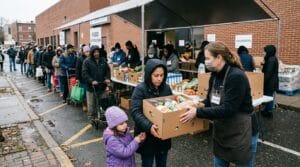
SNAP cuts 2026 are not just a food policy issue. They are a public health issue, a family stability issue, and a community survival issue. When food assistance is reduced, delayed, restricted, or made harder to access, the consequences do not stay inside grocery stores. They show up in clinics, schools, emergency rooms, food pantries, and family budgets already stretched past the breaking point.
The Supplemental Nutrition Assistance Program, commonly known as SNAP, helps low-income households buy food. For many families, older adults, people with disabilities, and workers earning low wages, it is the difference between a difficult month and an impossible one. When policymakers talk about cutting or tightening food assistance, they often describe it as savings, reform, or efficiency. But for households living close to hunger, even a small loss can mean skipped meals, cheaper low-nutrition food, unpaid bills, or delayed medical care.
This is why SNAP cuts 2026 deserve attention from anyone who cares about public health. Hunger is not just an empty stomach. It affects child development, chronic disease management, mental health, school performance, work stability, and overall community wellbeing. If CutsHurt.org exists to expose the human cost of budget cuts, food assistance is one of the clearest examples of how a line item can become a lived crisis.
Food assistance does not solve poverty by itself. But cutting it makes poverty more punishing. It forces families to absorb costs they do not have the money to absorb. It also pushes more pressure onto local charities, hospitals, schools, and already strained public systems.
Why SNAP Cuts 2026 Are A Public Health Warning
The first mistake in the SNAP debate is treating food as separate from health. Food is basic health infrastructure. People need steady access to nutritious meals to manage diabetes, blood pressure, pregnancy, childhood growth, medication schedules, mental health, and recovery from illness. When food budgets collapse, health risks rise quickly.
According to the U.S. Department of Agriculture, SNAP provides food benefits to low-income families so they can supplement their grocery budget and afford nutritious food essential to health and wellbeing. That matters because the program is not simply about calories. It is about giving households enough purchasing power to make food choices with dignity and consistency.
SNAP Is Often The First Line Of Prevention
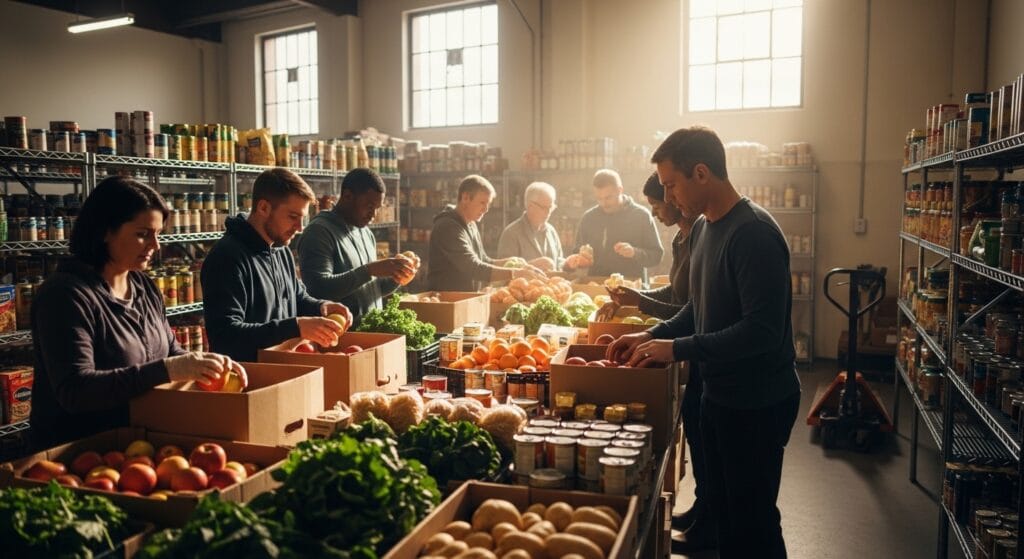
Prevention is cheaper and more humane than crisis response. A family that can buy groceries is less likely to rely on emergency food boxes, skip medication to pay for meals, or end up in avoidable health distress. A senior who can afford food is more likely to eat regularly while managing chronic conditions. A child who has enough to eat is more likely to focus in school and avoid the stress that comes with household hunger.
This connects directly with the broader mission of CutsHurt.org. Your article on why public health funding still matters in 2026 explains how prevention systems are easy to ignore until they fail. SNAP works in a similar way. When it functions well, fewer families fall into visible crisis. When it is cut, the damage becomes harder to hide.
Food Banks Cannot Replace Federal Nutrition Support
Food pantries and community charities do important work, but they cannot replace a national nutrition program. They depend on donations, volunteers, storage space, transportation, and local capacity. When SNAP benefits shrink, food banks usually face more demand at the exact moment families need more consistent support.
That is the hidden danger of cutting benefits and assuming charity will fill the gap. Charity can help during emergencies, but it is not designed to carry millions of households month after month. Families need reliable grocery support, not just occasional rescue.
Hunger Makes Other Budget Cuts Worse
Food assistance cuts do not happen in isolation. Many of the same households affected by SNAP changes may also face housing pressure, Medicaid access problems, reduced community health services, or cuts to local safety-net programs. When these pressures stack together, families lose room to recover.
A household may be able to survive one setback. But when groceries cost more, rent rises, clinics reduce hours, and benefits become harder to keep, the combined effect can be brutal. This is where budget cuts become more than accounting decisions. They become a chain reaction.
Your post on healthcare budget cuts in 2026 is a strong internal link here because food insecurity and healthcare access are deeply connected. A person cannot manage health well if they cannot afford food, medicine, transportation, or follow-up care.
Paperwork Barriers Can Function Like Cuts
Not every cut looks like a smaller benefit amount. Some cuts happen through paperwork, stricter reporting rules, work requirements, confusing eligibility changes, or shorter deadlines. When people lose benefits because the system becomes too hard to navigate, the result is still hunger.
This matters for workers with unstable hours, people without reliable internet, older adults, people with disabilities, people experiencing homelessness, and caregivers already overwhelmed by daily survival. A missed form should not become a missed meal. But when policy adds complexity without support, that is exactly what can happen.
How Food Assistance Reductions Ripple Through Communities
The damage from SNAP cuts 2026 does not stop with individual households. Local grocery stores lose spending. Food banks face heavier demand. Schools see more hungry students. Clinics see more stress-related and nutrition-related problems. Families make impossible tradeoffs between food, rent, medicine, transportation, and utilities.
That is why food assistance should be understood as community infrastructure. It helps stabilize households, but it also supports local economies and reduces pressure on emergency systems. Cutting it may appear to save money in one budget category, but it can create costs somewhere else.
Families Are Forced Into Impossible Choices
When food assistance shrinks, families do not suddenly need less food. They adjust by buying cheaper items, skipping meals, stretching portions, relying on credit, delaying bills, or visiting food pantries. Parents may eat less so children can eat. Older adults may choose between groceries and prescriptions. Workers may show up hungry and exhausted because there was not enough money left after rent.
These are not rare stories. They are the predictable outcome of removing support from households already living close to the edge. Budget cuts often sound clean in policy language, but the household version is messy, stressful, and humiliating.
Children Feel The Effects First
Children are especially vulnerable when food budgets shrink. Hunger affects concentration, mood, immune function, sleep, and school readiness. A hungry child may struggle to learn, but the problem is not motivation. The problem is that their basic needs are not being met.
This is why food assistance belongs in the same conversation as healthcare, education, and social justice. Cutting SNAP can deepen inequality because families with fewer resources have fewer ways to absorb the shock. A wealthier household may complain about grocery prices. A low-income household may simply go without.
Communities Need Advocacy Before The Damage Is Permanent
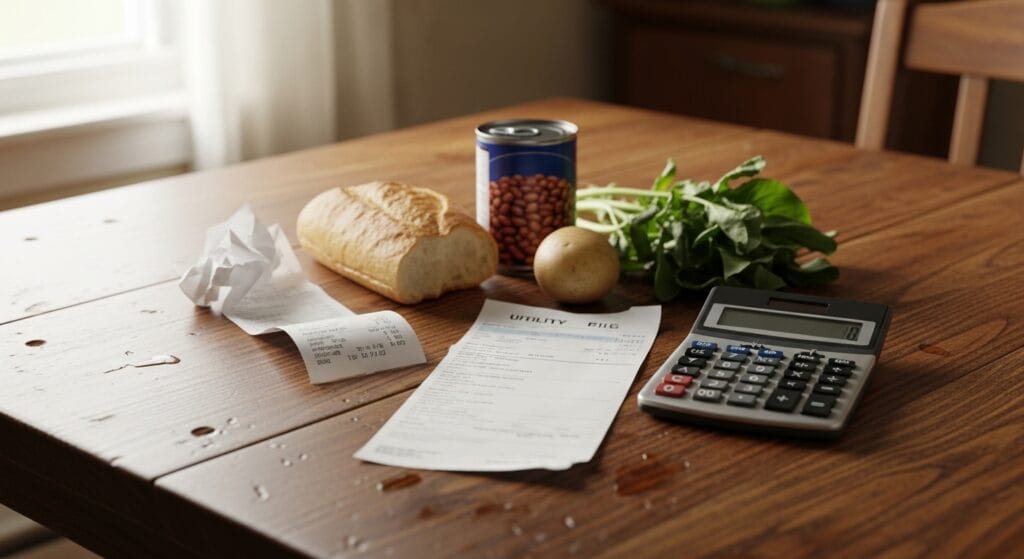
Once food assistance is reduced, communities should not wait for the crisis to become visible. Local leaders, nonprofits, healthcare providers, schools, faith groups, and residents can document the impact early. Track food pantry demand. Collect stories from families. Monitor school meal participation. Ask clinics whether hunger-related stress is increasing. Push elected officials to explain who will be harmed and how they plan to prevent it.
This also connects with your mental health content. Hunger is stressful. Benefit loss is stressful. Constantly proving eligibility is stressful. Your article on budget cuts and mental health services pairs well with this topic because economic insecurity and mental health strain often move together.
For readers who want a high-authority external source, the USDA SNAP overview explains the program’s purpose and how it supports food access for eligible households.
The bottom line is simple: SNAP cuts 2026 would not only reduce grocery support. They would increase hunger, stress, preventable health risks, and pressure on local safety nets. If lawmakers are serious about public health, they cannot treat food assistance as disposable. A society that cuts nutrition support and then wonders why families are sicker, poorer, and more unstable is refusing to connect the dots.
Cuts hurt because they move pain from budgets into bodies. SNAP is one of the places where that truth becomes impossible to ignore.